

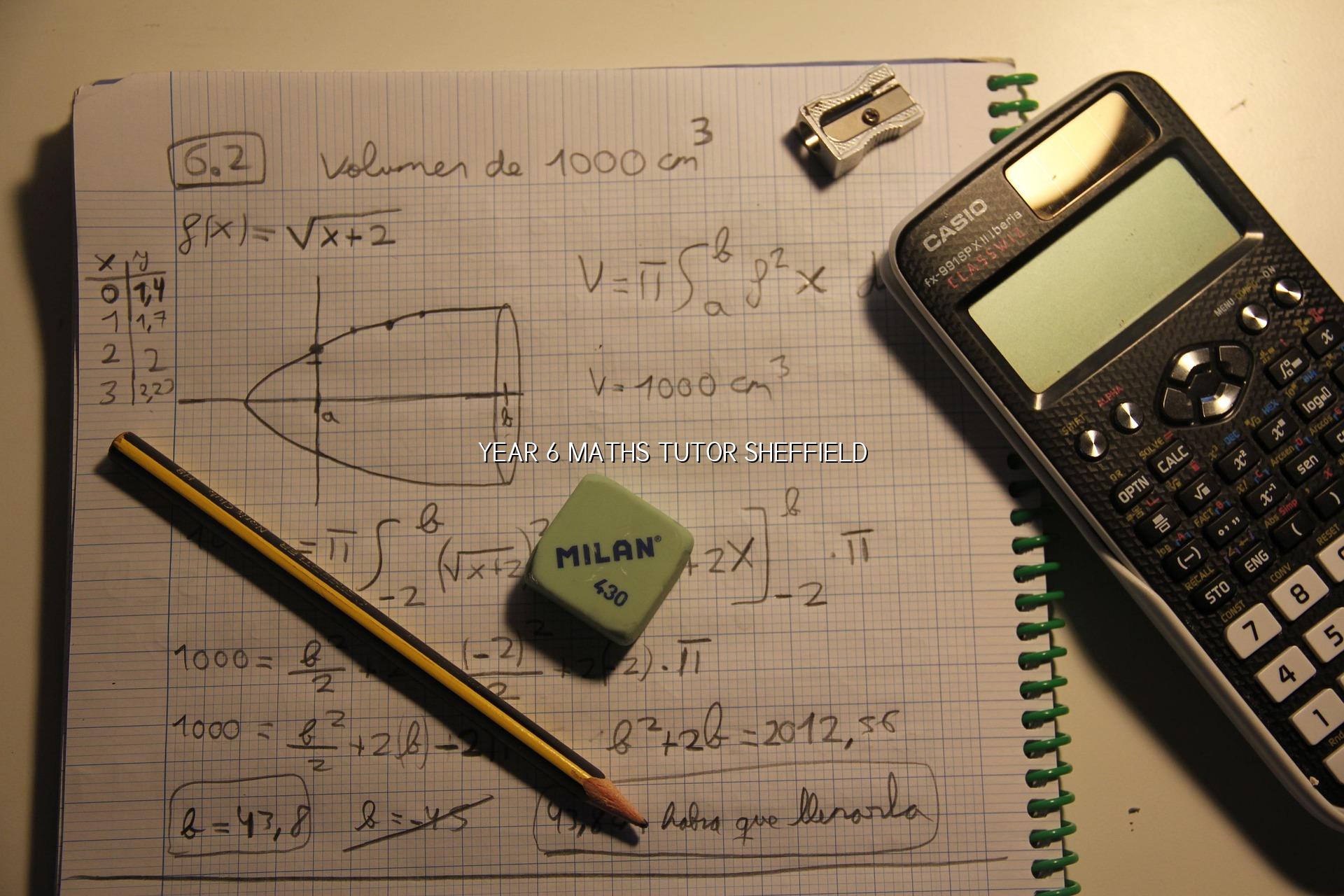
Year 6 Maths Tutor Sheffield
If you're searching for a Year 6 maths tutor Sheffield families can trust, you're probably thinking about SATs, confidence, and getting the basics steady before secondary school starts. We help pupils build that confidence in live one-on-one online lessons, with clear explanations and patient support.
A lot of parents who contact us say the same thing: their child can do some maths, but they freeze when questions get longer or wordier. That usually shows up most in fractions, division, ratio, and reasoning. Our online teaching is built to make those topics feel manageable again, without rushing the child or flooding them with worksheets.
What Year 6 pupils in Sheffield usually need most
Year 6 is a busy year. In schools across Sheffield, pupils are dealing with KS2 SATs expectations, teacher assessments, and the move toward Year 7 content. We see children from all kinds of schools and backgrounds, and the pattern is familiar: they may know the method on one day, then forget it the next because the idea wasn't secure enough.
That is why our approach starts with the foundations. We look at place value, number bonds, multiplication facts, written methods, fractions, decimals, percentages, and the kind of reasoning questions that ask children to explain how they know. If a pupil is wobbling on times tables, it can affect almost every other topic. So we fix the weak spots first, then build upward.
The topics that matter most in Year 6
For many children, the main pressure points are not fancy topics. They are the everyday ones: adding and subtracting with confidence, dividing with remainders, converting units, and handling multi-step problems without panicking. We also spend time on vocabulary, because words like "difference", "product", "estimate", and "simplify" can trip up a child who knows the maths but not the language.
Why one-on-one teaching works so well
In a class of 25 or 30, a child can quietly fall behind for months. In a live one-on-one lesson, we see mistakes straight away. We can slow down, change the explanation, or come back through a topic in a different way until it clicks. That matters a lot at Year 6, because one shaky gap can spread into several questions on a test paper.
- SATs readiness: we practise the style of questions children meet in KS2 papers, including arithmetic, reasoning, and problem solving.
- Fractions and decimals: we make the link between fractions, decimals, and percentages clear using simple examples and visual methods.
- Times tables fluency: we strengthen recall so written work becomes quicker and less stressful.
- Reasoning confidence: we help pupils show their thinking in full sentences, diagrams, and clear steps.
How we prepare Year 6 students step by step
When a family starts with us, we don't begin with a pile of test papers. We begin with the child. Some pupils need confidence. Some need speed. Some need both. Once we understand that, the lesson plan becomes much easier to shape.
- Step 1: Check the current level. We look at what the pupil already knows in arithmetic, number, and reasoning, so we can spot the exact gaps.
- Step 2: Fix the weak foundations. We revisit the parts that are slowing them down, such as times tables, fractions, or column methods.
- Step 3: Build exam-style practice. We use Year 6 questions that match the way schools in England present SATs-style work.
- Step 4: Train method and explanation. We teach children how to show working clearly, which helps with both marks and memory.
- Step 5: Review and repeat. We go back over tricky areas in later sessions so progress sticks, not just for one lesson.
A simple reference for Year 6 maths focus
Parents often want a plain view of what to focus on first. This table gives a quick snapshot of the most common Year 6 areas we cover with Sheffield pupils and online learners across the UK.
| Area | What pupils work on | Typical challenge |
|---|---|---|
| Arithmetic | Addition, subtraction, multiplication, division, and written methods | Working too slowly or making careless slips |
| Fractions | Equivalent fractions, adding and subtracting, mixed numbers | Knowing the method but losing confidence with denominators |
| Decimals and percentages | Place value, rounding, converting between forms | Mixing up tenths, hundredths, and percentage links |
| Reasoning | Word problems, explanations, and multi-step thinking | Not knowing how to start or what the question is really asking |
| Measurement and geometry | Perimeter, area, angles, and unit conversion | Forgetting formulas or using the wrong unit |
How Sheffield parents can support maths at home
You don't need to turn the kitchen table into a school desk for maths to improve. Short, regular practice works better than long, exhausting sessions. A child in Year 6 usually does best when the work is focused and calm, not noisy and rushed.
We often suggest a few practical habits. Keep times tables visible. Ask your child to explain one question out loud. Use shopping, clocks, and measuring in real life. And if a topic keeps causing tears, don't let it sit there for weeks hoping it will disappear. It rarely does.
Useful habits that make a difference
Small routines help more than grand plans. Five to ten minutes of recall practice can do a lot, especially when the same ideas are repeated in different ways. A pupil who can explain why 3/4 is bigger than 2/3 is usually building better number sense, not just memorising rules.
How U CAN Math Academy Can Help
We teach Year 6 maths online, one-on-one, so your child gets attention that fits their exact level. Dr. Beulah Samli works with pupils across the UK time zone, and we keep lessons clear, calm, and focused on real understanding. If you want to talk through your child's needs, message us on WhatsApp or email ucanmath100@gmail.com, and we'll help you plan the next step.
Why families choose our online lessons
Most families like the flexibility. A child can learn from home, avoid travel, and still get live support from a tutor who pays close attention. We also use a shared whiteboard, so questions can be worked through line by line instead of guessed at. That makes a difference when a child is stuck on a fraction problem or a reasoning question with several parts.
Frequently Asked Questions
Help your child feel ready for Year 6 maths
If your child needs patient support with SATs, fractions, or reasoning, we can help with live online lessons that fit your schedule.
Year 6 should feel like a steady step forward, not a daily battle. With the right support, many pupils start to see that maths makes sense, and that change brings a lot of relief at home too. If you're looking for a Year 6 maths tutor Sheffield parents can rely on, U CAN Math Academy is ready to help online.